 Tvoi Event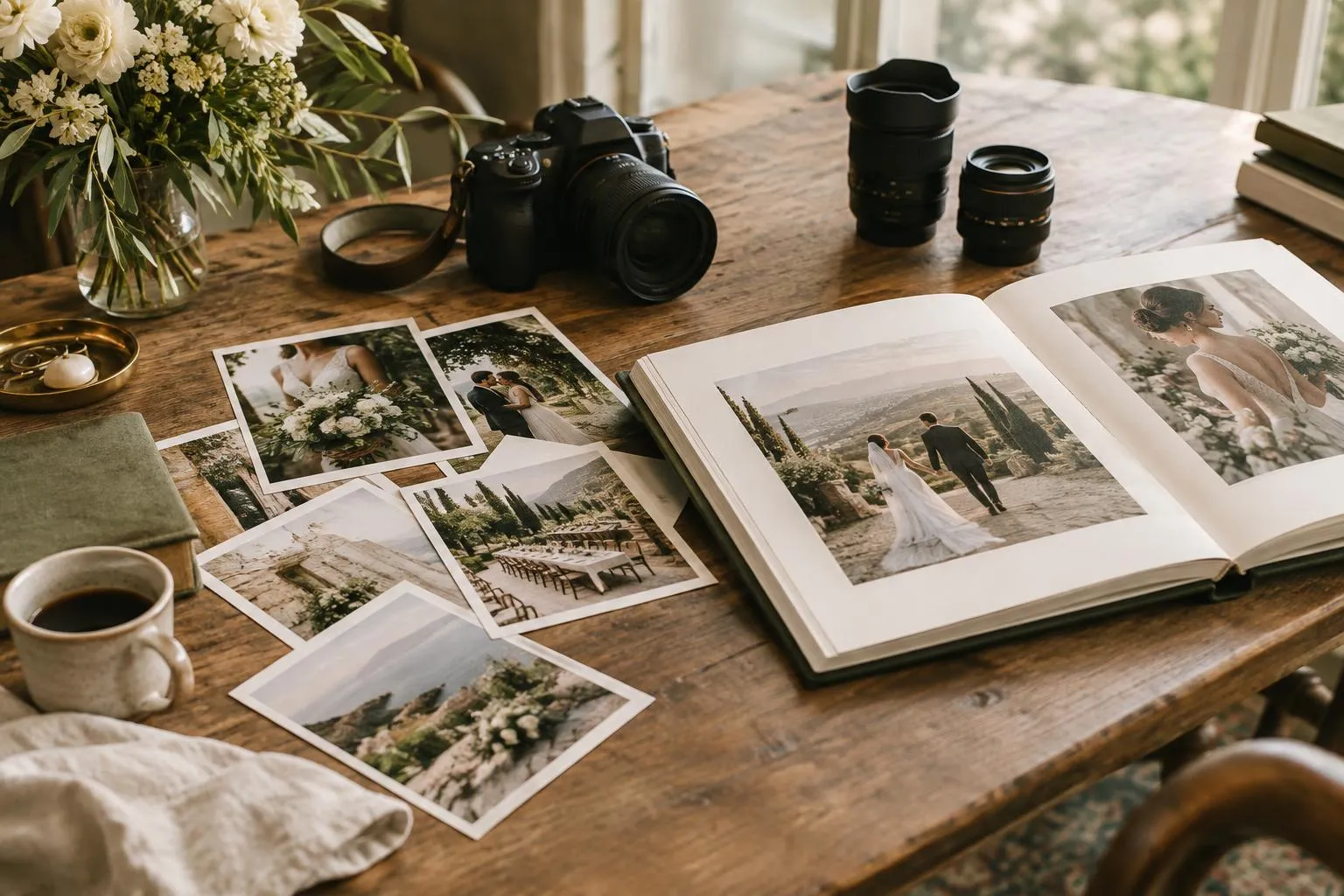
You choose a photographer once, because the day cannot be reshot, so the comparison deserves time. The main rule is to look not at the most striking images but at how a person photographs a whole day and under different light, from hot midday to candlelight in the evening. A polished website cover says little; a full gallery of one celebration says almost everything. Below is the order of choice: style, portfolio, contract, shoot plan and the particulars of Tuscany, including photographing in public and historic places. The advice suits a wedding, a proposal or a birthday where photographs matter to you. The earlier you start, the more choice you will have on your date, especially in high season.
Start with style, not with a name
Reportage, classic portraiture, fine art, a blend: every approach has its own language. A reportage photographer is almost invisible and catches guests' emotions, a portrait photographer directs poses and light, and fine art favours a soft palette and careful composition. Think about which images you want to see in ten years and check whether the photographers you like actually shoot that way. Show each other examples. If one of you loves candid moments and the other staged portraits, look for someone who does both well and talk through the share of each in the final album. A good photographer will tell you what suits you and what does not, and will not promise everything at once.
What to look for in a portfolio
Ask not for a selection of the best frames but for two or three complete stories, from getting ready to the dancing. That shows how a person copes with a hot midday, a dark hall, evening candles and a crowd of guests. Look at skin tones, at whether the colours are pushed by filters, and at consistency: does the whole gallery look equally good, or only the lucky shots? Ask whether the photographer has worked in places like yours: a villa with a garden, a city palazzo, a beach. And clarify who will really be at your event, the person whose work you saw or an assistant from the team. That should be written into the contract, not promised verbally.
Photographer and videographer: do you need a second
Video keeps voices, vows and toasts, while photographs set the image of the day. One person rarely does both at a high level, which is why professionals usually work as a pair. If you want to keep the number of vendors down, a photographer plus a short film of the key moments, shot by a small team, is often enough. When two people work together, agree in advance who stands where during the ceremony so they do not block each other or the guests. In many churches and municipal halls the rules on where you may stand and shoot are set by the venue, sometimes by the priest or the registrar. Ask before the day, not at the ceremony itself.
The contract: what it should say
The contract records the date, the venue, the hours of coverage, the names of the photographers, the number of finished edited images, the form of delivery (online gallery, files) and the delivery deadline. Rights are a separate clause: whether you may print the photographs, publish them online, and whether the photographer uses the images for a portfolio and advertising. Ask what happens if the photographer falls ill: is there a replacement colleague and how are the raw files stored? Clarify how many hours are included and how an extension works if the evening runs long. All of this is written down beforehand rather than negotiated on the day, when discussing terms is already late and awkward.
The shoot plan: light, timing, shot list
The best light in Tuscany is in the morning and one or two hours before sunset; at noon it is harsh and, in summer, hot outdoors. So couple portraits are planned for the soft hours, and the ceremony is kept away from the hottest part of the day if possible. If you want to see each other before the ceremony, a private first look frees the evening light for guests and calm portraits. Prepare a short list of group photographs: families, friends, parents. Name a person who knows the guests and gathers the groups, otherwise the session drags on and guests grow restless. Leave a margin in the timeline for travel between locations and for everything unplanned, from a late car to sudden rain.
Shooting in Tuscany: places, permits, weather
Squares, riverside walks, museums and monuments are popular and crowded. Professional photography, and especially setting up lights or decor in public and protected places, may need permission from the city or the site administration, and some sites apply stricter rules. Ask in advance and do not assume you can work anywhere as you please. Think of a rain fallback too: a covered gallery, a villa hall, city porticoes. A photographer who knows your venue will tell you in advance where the light is best at which hour and help fit the shoot into the day's timeline, so you do not miss the celebration for the sake of pictures or rush to dinner.
What to ask a photographer before signing
- The photographer's style matches the images you want
- You have seen full stories, not only the best frames
- It is clear who exactly will come to the shoot
- The contract states hours, number of images, delivery date and format
- Usage and publication rights are written down
- There is a plan for the photographer's illness and for file storage
- A list of group photographs is prepared and a helper named
- Permissions are checked for any public places
We can help with the choice and the plan
The Tvoi Event team has organised events in Tuscany for more than 15 years and can help find a photographer who suits your style and agree the timing of the day. Send a request, and one coordinator will lead you from the first call to the last guest.